Tag: sildenafil

  • Levitra vs. Viagra: A Perspective on Two Landmark Treatments for Erectile Dysfunction

    For more than three decades, I have followed the remarkable evolution of men’s health treatments. During that time, I have seen medicine transform erectile dysfunction from a topic many patients were embarrassed to discuss into one of the best-understood and most effectively treated conditions in modern urology.

    Doctor recommends Levitra

    Among all the therapies introduced over the past quarter-century, two names consistently stand out: Viagra (sildenafil) and Levitra (vardenafil). Both medications have helped millions of men worldwide regain confidence, improve intimate relationships, and seek medical care for underlying health conditions that might otherwise have remained undiagnosed.

    Although these medications belong to the same therapeutic class, each possesses unique characteristics that may make it more suitable for certain patients. Understanding their history, mechanism of action, and clinical differences allows patients and healthcare professionals to make informed decisions together.

    The Birth of a New Era in Men’s Health

    The modern history of erectile dysfunction treatment changed dramatically during the 1990s.

    Scientists developing sildenafil were originally researching a treatment for cardiovascular disease. During clinical studies, researchers observed an unexpected but highly significant effect: many participants experienced improved erectile function. This discovery redirected the course of development, and in 1998 Viagra became the first oral PDE5 inhibitor approved for erectile dysfunction.

    Its approval represented far more than the launch of a new medication.

    For the first time, millions of men had access to a scientifically validated, non-surgical treatment that addressed one of the most common male health concerns. The success of Viagra also encouraged greater public awareness, reducing stigma and encouraging patients to seek professional medical advice.

    A few years later, Levitra entered clinical practice. Developed with the benefit of additional research into PDE5 inhibition, vardenafil expanded the range of treatment options available to physicians and patients.

    Competition between these therapies ultimately benefited patients by providing multiple effective choices.

    Understanding Erectile Dysfunction

    Erectile dysfunction is the persistent inability to achieve or maintain an erection sufficient for satisfactory sexual activity.

    Contrary to common belief, erectile dysfunction is not simply a consequence of aging.

    It may result from:

    • Cardiovascular disease
    • Diabetes
    • High blood pressure
    • Elevated cholesterol
    • Smoking
    • Obesity
    • Psychological stress
    • Anxiety
    • Depression
    • Certain prescription medications

    Because erectile dysfunction can sometimes be an early sign of vascular disease, consultation with a healthcare professional remains an important step before beginning treatment.

    How Viagra and Levitra Work

    Both Viagra and Levitra belong to the class of medications known as phosphodiesterase type 5 (PDE5) inhibitors.

    During sexual stimulation, nitric oxide is released within penile tissue. This initiates the production of cyclic guanosine monophosphate (cGMP), which relaxes smooth muscle and increases blood flow.

    The PDE5 enzyme naturally breaks down cGMP.

    By temporarily inhibiting this enzyme, both medications help maintain higher levels of cGMP, allowing blood vessels to remain relaxed for longer during sexual stimulation.

    It is important to emphasize that neither medication creates sexual desire or produces an automatic erection. Sexual stimulation is still necessary for these medications to work.

    Comparing Viagra and Levitra

    Although their mechanisms are similar, there are several practical differences.
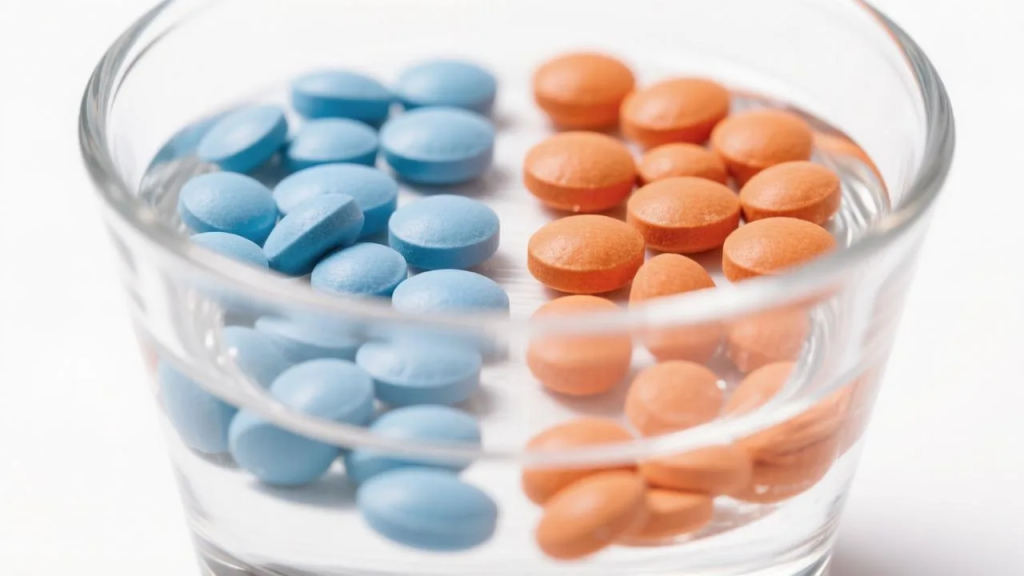
    viagra vs levitra

    Active Ingredient

    • Viagra contains sildenafil.
    • Levitra contains vardenafil.

    Onset of Action

    Both medications typically begin working within approximately 30 to 60 minutes, although individual responses vary.

    Duration

    Viagra generally remains effective for about four to six hours.

    Levitra offers a similar duration of action for most patients.

    Food Effects

    A heavy, high-fat meal may delay the onset of action for either medication, particularly Viagra.

    Clinical Experience

    Both medications have accumulated decades of clinical use and extensive research supporting their effectiveness when prescribed appropriately.

    Which Medication Is Better?

    One of the most common questions patients ask is:

    “Which one is stronger?”

    The answer is not as straightforward as many expect.

    Large clinical studies indicate that both medications are effective for many men with erectile dysfunction. Individual responses differ, and one medication may work better than another for a particular patient.

    Factors influencing medication selection include:

    • Medical history
    • Other prescription medications
    • Existing cardiovascular conditions
    • Previous treatment response
    • Personal preferences
    • Potential side effects

    Rather than asking which medication is universally superior, physicians generally focus on which treatment is most appropriate for each individual.

    Safety Considerations

    Like all prescription medications, Viagra and Levitra can cause side effects.

    Common side effects include:

    • Headache
    • Facial flushing
    • Nasal congestion
    • Indigestion
    • Dizziness

    Less common but potentially serious adverse effects require prompt medical attention.

    Neither medication should be taken with nitrate medications because the combination may produce a dangerous drop in blood pressure.

    Patients with significant cardiovascular disease should consult their healthcare provider before using any medication for erectile dysfunction.

    More Than a Medication

    One of the greatest contributions of Viagra and Levitra extends beyond improving erectile function.

    These medications helped normalize conversations about men’s health.

    Before their introduction, many men silently accepted erectile dysfunction as an inevitable part of aging.

    Today, physicians recognize erectile dysfunction as a legitimate medical condition that often deserves evaluation and treatment. In many cases, investigating erectile dysfunction has led to the early diagnosis of diabetes, hypertension, cardiovascular disease, and other important health conditions.

    A Lasting Medical Legacy

    The development of Viagra marked one of the most significant pharmaceutical breakthroughs of the twentieth century. Levitra followed by expanding treatment options and further advancing research into men’s sexual health.

    Together, these medications have transformed clinical practice and improved quality of life for millions of patients worldwide.

    For individuals experiencing erectile dysfunction, the most effective approach begins with a conversation with a qualified healthcare professional. With an accurate diagnosis, appropriate evaluation, and evidence-based treatment, many men can successfully manage erectile dysfunction and regain confidence in their intimate lives.

    The history of Viagra and Levitra demonstrates how decades of scientific research, rigorous clinical trials, and continued innovation have produced therapies that remain among the most important advances in modern men’s health.
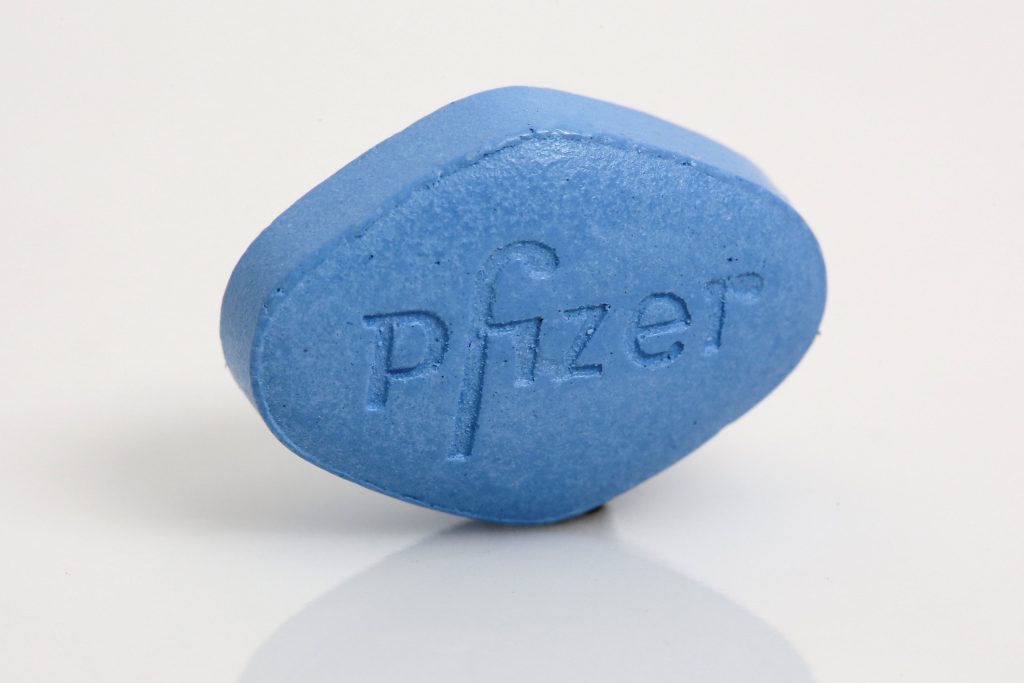
  • What is Sildenafil or Viagra?

    1. About sildenafil

    Sildenafil is a medicine used to treat erectile dysfunction. It increases blood flow to the penis to help men get an erection. At least two-thirds of men have improved erections after taking it.

    Sildenafil is also sometimes used to treat pulmonary hypertension (high blood pressure in the blood vessels that supply the lungs).

    viagra tablet

    This medicine is available on prescription and can also be bought from most pharmacies. It comes as tablets that you swallow, chewable tablets, and as a liquid that you drink.

    1. Key facts It usually takes 30 to 60 minutes for sildenafil to work for erectile dysfunction. You can take it up to 4 hours before you want to have sex.
      Taking sildenafil alone will not cause an erection. You need to be aroused for it to work.
      The most common side effects are headaches, feeling sick, hot flushes and dizziness. Many men have no side effects or only mild ones.
      It can be dangerous to take sildenafil if you also take medicines called nitrates (often given for chest pain). The combination can cause a dangerous fall in your blood pressure. If you’re not sure if you’re taking a nitrate, ask your doctor or pharmacist.
      Sildenafil is called by the brand names Viagra (for erectile dysfunction) and Revatio (for pulmonary hypertension).
    2. Who can and can’t take sildenafil

    Sildenafil for erectile dysfunction (Viagra) can be taken by men aged 18 and over. It’s not for women or children.

    Sildenafil for pulmonary hypertension (Revatio) can be taken by adults and children aged 1 and over.

    Sildenafil is not suitable for some people.

    Do not take sildenafil if you:

    have had an allergic reaction to sildenafil (Viagra) or any other medicines in the past
    are taking medicines called nitrates for chest pain
    have a serious heart or liver problem
    have recently had a stroke or a heart attack
    have low blood pressure
    have a rare inherited eye disease, such as retinitis pigmentosa

    Check with your doctor before taking sildenafil if you:

    have sickle cell anaemia (an abnormality of red blood cells), leukaemia (cancer of blood cells) or multiple myeloma (cancer of bone marrow)
    have a deformity of your penis or Peyronie's disease (curved penis)
    have a heart problem. Your doctor should carefully check whether your heart can take the additional strain of having sex.
    have a stomach ulcer or a bleeding problem like haemophilia
    1. Where to get sildenafil
      On the NHS

    You can get sildenafil on the NHS if you have erectile dysfunction or pulmonary hypertension.

    Branded versions of sildenafil such as Viagra are not available on the NHS, except in special circumstances.
    Private prescription

    You can also get sildenafil on a private prescription from your doctor. This means you’ll need to pay the full cost of the medicine.

    Prices vary, but on average 4 tablets costs around ?20.
    From a pharmacy

    You can buy sildenafil from a pharmacy following a discussion with the pharmacist.

    They’ll ask you some questions about your general health to make sure sildenafil is safe for you to take. You can also talk to them about side effects.

    If the pharmacist has any concerns about whether sildenafil is safe for you, they may advise you to see your doctor.
    Online

    You can buy sildenafil/Viagra over the internet. Be very careful if you do this as many websites sell fake medicines.

    Online medicines are not always regulated and the ingredients in them can vary from one pack to another. They can cause unpleasant side effects or may not be suitable for you.

    It’s best to see your doctor before buying medicines online. They know your medical history and can discuss whether you might benefit from treatment.

    If you choose to buy sildenafil/Viagra over the internet, make sure:

    any online pharmacy is registered with the General Pharmaceutical Council (GPhC)
    any online doctor service is registered with the Care Quality Commission (CQC)
    all doctors are registered with the General Medical Council (GMC)
    1. How and when to take it

    It’s important to take it as advised by your doctor or pharmacist.
    How much will I take for erectile dysfunction?

    Sildenafil tablets for erectile dysfunction come in different strengths ranging from 25mg to 100mg.

    The usual dose is 50mg, when you need it (no more than once a day).

    The dose can be increased to 100mg or decreased to 25mg depending on its effect.

    Take sildenafil up to 4 hours before you want to have sex. For sildenafil to work properly, you’ll need to be sexually excited.
    How much will I take for pulmonary hypertension?

    Sildenafil tablets for pulmonary hypertension come in 10mg and 20mg tablets.

    The usual adult dose is 20mg taken 3 times a day.

    Doses for children can range from 10mg to 20mg taken 3 times a day, depending on their weight.
    How to take it

    Swallow tablets whole with a glass of water or juice (but not grapefruit juice).

    For erectile dysfunction, it’s best to take sildenafil on an empty stomach. It may take longer to work if you take it with food.
    Liquid sildenafil

    If you or your child are taking sildenafil as a liquid, 1ml is usually the same as taking a 10mg tablet, but it’s important to always check the medicine label.

    Liquid sildenafil will usually be made up for you by your pharmacist.

    The medicine will come with a plastic syringe or spoon to help you take the right amount.

    If you do not have a plastic syringe or spoon, ask your pharmacist for one. Do not use a kitchen teaspoon as it will not give the right amount.
    What if I forget to take it?

    If you have pulmonary hypertension and you forget to take a dose of sildenafil, take it as soon as you remember and then continue as usual.

    Never take 2 doses at the same time. Never take an extra dose to make up for a forgotten one.

    If you often forget doses, it may help to set an alarm to remind you.

    You could also ask your pharmacist for advice on other ways to help you remember to take your medicine.
    What if I take too much?

    Taking too much sildenafil by accident can cause unpleasant side effects, such as:

    headaches
    dizziness
    indigestion
    blocked nose
    altered vision

    Talk to your doctor if you have taken too much sildenafil and you’re worried about these side effects.

    1. Side effects

    Like all medicines, sildenafil can cause side effects in some people. Many people have no side effects or only minor ones.
    Common side effects

    Common side effects happen in more than 1 in 100 people.

    If you get these side effects, keep taking the medicine, but tell your doctor or pharmacist if these side effects bother you or do not go away:

    headaches
    feeling sick
    hot flushes, including facial flushing
    indigestion
    a colour tinge to your vision or blurred vision
    stuffy nose
    dizziness

    Serious side effects

    Serious side effects are rare and happen in less than 1 in 1,000 people.

    Stop taking sildenafil and call a doctor straight away if you get:

    chest pains - if this happens during or after sex, get into a semi-sitting position and try to relax; do not use nitrates to treat your chest pain
    prolonged and sometimes painful erections - if you have an erection that lasts for more than 4 hours, contact a doctor immediately
    a sudden decrease or loss of vision
    a serious skin reaction - symptoms may include fever, severe peeling and swelling of the skin, blistering of the mouth, genitals and around the eyes
    seizures

    Serious allergic reaction

    In rare cases, it’s possible to have a serious allergic reaction (anaphylaxis) to sildenafil.